It was so terribly cold. Snow was falling, and it was almost dark. Evening came on, the last evening of the year. In the cold and gloom a poor little girl, bareheaded and barefoot, was walking through the streets.
--------------
These are the first few sentences of Hans Christian Andersen's 'The Little Match Girl', which you can read in full here. I first read it in Belgium on the recommendation of my friend Heathcote and I have just translated the first few paragraphs of it for my written expression class homework. The post's going to weave in and out of a few themes, so stay alert, and if your attention wains, the important bit's under the stars~
As you know, and as the logo of this blog regularly reminds, I have been campaigning with the Communist Party of Japan. Everyday in the newspapers we are presented with politics as political, that is, the ins and outs of party politics, what Cameron said about Brown, which policies are directed to which voter block, which way the polls are pointing. Far more interesting to me is the relationship between politics and culture, and indeed it is very likely that my dissertation next year will explore Japanese modernist literature through the lens of Zizekian cultural criticism to explore the underlying messages and politics or the Japanese liberal intelligentsia on the brink of Japan's decline into Fascism. And I get pleanty of high brow academic politics with the JCP, whether it's discussing constitutional systems, the differing international meanings of Trotskyism or whether Japan truly experienced 'democracy' before the war. But as a person who is prone to thinking too much, to over-rationalising things, to neglect the practical in favour of the theoretical, I am grateful to the JCP for awakening in me that relationship which is so often overlooked, but yet is the most essential, which is that between politics and people.
Every Saturday, from 10PM to around 11:30 the JCP, together with the wider 反費困 - Anti Poverty Campaign go to the south side of Kyoto station and give food and clothes to the homeless. I've been going the last couple of weeks and intent to go whenever possible. It is a practical, humanitarian ethos that the JCP have revealed time and again in the short time I've campaigned with them. Beyond feeding the homeless, they conduct 'labour consolations' with young people around Japan, where they interview people on the streets, give advice about finding employment, accessing welfare or joining unions. This also entails getting people to fill in questionnaires about their employment situation (or lack thereof...) which are relayed to the welfare office so that welfare and employment policy can better meet the people on the street's needs. JCP city meetings are just as likely to what a certain homeless person likes to eat, or safe places for someone to get changed, as they are to talk about policy and election campaigns. The only other political party who dealt with issues in such a grassroots way that I can think of (though as a strictly non-violent party the JCP would surely dismiss the comparison) is the Black Panther Party and their Free Breakfast for Children program which attempted prove the worth of socialist ideology with a working example of a socialised distribution scheme aimed at alleviating hunger in the poor.
Yesterday was the first time I got to meet some of the homeless people the party devote so much attention to. One old man sleeping inside the station was doing better that some others. He had a wife and son in the city, but for reasons he doesn't speak he can't return to them. Owing to his life long work at a nearby market, he had something of a pension and basic health-care coverage. For this, he is still homeless. Another old man has traveled the world, speaks very decent English and still dreams of starting his own business in Hong Kong. For this, he is still homeless. And this seems like as good a place as any to jump into the Japanese welfare system. -
What is readily apparent to foreigners, and widely known about Japan is that it is a hierarchical society with much emphasis placed on one's vertical relationship to one's superiors and inferiors. What is less widely known among the lay-person is that there is also a horizontal axis known as 'in-group, out-group'. This social structure is (traditionally, and it must be stressed that Japan is a country of 130 million people with huge internal cultural and personal variation) so ingrained that it is evident in the grammar of the language, where the Worker A of Company A speaks to Boss A with respectful language that show's the boss' superior position, but when he meets worker B of Company B, Worker A will talk about Boss A with humbling language, because in the face of an outsider, Company A operates and one unit, one in-group regardless of the hierarchy within it. To do otherwise is not simply a faux-pas but is actually grammatically incorrect.
These relations are repeated in the economic structure. The first barrier against poverty is company welfare. This is the security system that ensures that those who work stable, full time, unionised jobs will, in return for working all out for long hours, be looked after, financially, legally, whatever. This privatised welfare system served Japan very well during the boom years, but now more and more people are working unsteady, part time, un-unionsed jobs, where they can be fired at a day's notice and have nothing in the way of a pension or health coverage.
Where company welfare fails, what is known as family welfare is often expected to pick up the slack. Here is where people borrow money from, or move in with parents, aunts and uncles, brothers and sisters.
If you have a good job, and you have a good family, you are in the in-group. But as the presence of these English speaking, well educated homeless people shows, in this economic climate, people who were once 'in' have found themselves 'out' and this is where public welfare must step in. Increasingly the government is willing to play a role in protecting those who need it most. Though health-care isn't free (it is a universal system with the patients paying 1/3 of the costs), there is assistance for the poorest. Across the nation is the Living Assistance scheme, which provides the very poorest with a variety of monies for everything from money to buy nappies, to money to pay the rent. Kyoto, being a progressive city, holds days where free health care and check ups are given along with other services. Kyoto's pitiful 18 shelter beds are in fact comparatively high, and the city has negotiated a deal with a hotel with high vacancies to put the homeless up for free in these harsh winter months. All of this takes money, which is paid for by taxes. I have not met any 'welfare scrounges', rather simply people who's very sustenance depends on the public pocket and who are either physically unable to work, or simply unable to find work because they are old. Similarly, behind the tabloids' frequent stories about those who abuse the system, the vast majority of recipients of welfare in Britain are people who would work if they could or if there were any jobs to be found. Food for thought when complaining about taxes.
One can see the system for it's failures and successes. For the welfare offered, there are those who are unable to receive it. Some people literally are unable to walk all the way to the welfare office. Some people find it impossible to wade through the characteristically Japanese bureaucracy involved. Still more are unwilling to take the Living Assistance because of personal pride - an emotional response perhaps difficult to understand for Westerners but beautifully conveyed in the Studio Ghibli classic - Grave of Fireflies. It was touching to see the cycle of one man volunteering with us who had himself been a recipient of the Living Assistance, had got himself an apartment and now works with the Anti Poverty Campaign convincing others that there's no shame in accepting help. But for those who have slipped through all other layers of protection, the JCP and Anti Poverty Campaign are there providing hot rice balls and soup, blankets and socks.
*******************************************************************
Kyoto has very quickly become very cold. The Japanese boast that Japan, unique among nations, has four distinct seasons. Obviously the existence of the four words 'winter, spring, summer, autumn' bare no relation to this theory of Japanese-exceptionalism at all. But sure enough, right on schedule, a mere few days before the first of December the temperature drops to see-your-breath-in-the-air-and-3-jumpers-cold. There is an old woman called Noriko-san who sleeps in front of Kyoto Station. She's tiny and walks very slowly, when she walks, is very quiet but has a sense of humor and know what she likes and what she doesn't. She doesn't like being around people and is reluctant to take up the offer to stay in this hotel for free, though there is progress and week by week we push, we can only hope. She is talked about often and fondly among the volunteers and in official meetings. We gave her soup and rice balls, and her t-shirt and jumper not being anywhere near enough, wrapped her in 3 blankets. She looked sweet as could be, more blanket than body, and as one volunteer said, a lot like a snowman. Warm fuzzy feelings abound, this is what it feels like to save the world.
And then Iida-san, leader of the Kyoto Youth and Student section of the JCP, my go to guy in the party, in the midst of a lot of "isn't it cold" talk drops it. "Isn't it? She could die."
I cycled back home, nose running, scarf wrapped up to the mouth, looking forward to my heated room. She doesn't have a heated room. None of them do. She could die.
So this is my Christmas Appeal -
To my friends in Kyoto I like to get any old items of clothing, or perhaps more realistically a bit of money to buy as many Uniqlo HeatTeq clothes, and blankets as possible to ensure that this winter none of Kyoto's homeless have to die of the cold.
To my friends and family in Britain, I ask you to think of the homeless, and the millions in horrendously substandard housing around the country and donate whatever you can to Shelter, who are a ridiculously brilliant charity who's services are especially needed over these next few months.
If my story's not convinced you, go back to the top and read Andersen's, it's only short, honest.
Big love, sleep safe, tight, and warm.
xxxxxx
Showing posts with label Japanese Communist Party. Show all posts
Showing posts with label Japanese Communist Party. Show all posts
Sunday, 29 November 2009

Saturday, 12 September 2009
Our glorious leaders
I am now living in Kyoto.
I will write about this in depth in a little bit, but first I just wanted to write up my last few days in Tokyo.
Just to remind myself - communsists, kareoke, lost in translation
Wow, it's been a while since I've blogged, I have to think back to the 9th to recap.
My comrades invited me to the Japanese Communist Party's magnanimous 87th anniversary meeting. They also asked if I wanted to take part in a "Lifestyle, labour discussion". I thought that was going to be some kind of protest/march/rally. It wasn't quite.
A lifestyle, labour discussion (生活労働相談, for the initiated) is when the JCP go to the streets and interview people about their life and work. They either get people to fill in forms or hold more in-depth discussions with a few They talk about the details of their welfare, give them information about union membership and social security. They have a form of petition when you add your sticker to a list of woes you'd like the government to sort out, and more generally the JCP gather real people's opinions about what political and economic changes they'd like to see. This information is then delivered to the social security offices and hopefully informs policy making. A lot of their efforts is spent talking to the homeless, a group that sadly is rapidly growing in Japan.
It is too easily for even the most concerned person to dehumanise the homeless. Though we might strive against these sorts of prejudices on a rational level, when we see a drunken homeless person, someone raving, or even just begging, I fear a part of all of us feels they might deserve to be where they are, might question what benefit they are to society. Now, this is of course wrong. And in Japan just how wrong this is is brought home by meeting some of the homeless. Japanese society (I suppose like all societies actually, though maybe in a more defined sense over here) often works by sorting people into us and them, self and other, "in group" and "out group". When you are in group you are looked after. Japanese businesses have traditionally rewarded their worker's loyalty with very generous health, security and pension schemes. However, once you are in the out-group, outside the mainstream of white collar salary man work or unionised blue-collar work, you are fucked. There is little in the way of a social safety net. Speak to a Japanese homeless person and you may well find that they are fluent in English, once worked in middle management for a multi-national corporation and used to have a very nice (if Japanese sized) house indeed. People who bemoan the British welfare system need only look across the Eurasian landmass to see people of very similar backgrounds to themselves sleeping on the street.
Ah, a good polemic. The real point is, the JCP are the only party in Japan who partake in this very special, very democratic consultation process with the people. It's this attitude that makes me respect them so much. Oh yeah, I did the flyering, and pointed people towards JCP members they could talk to.
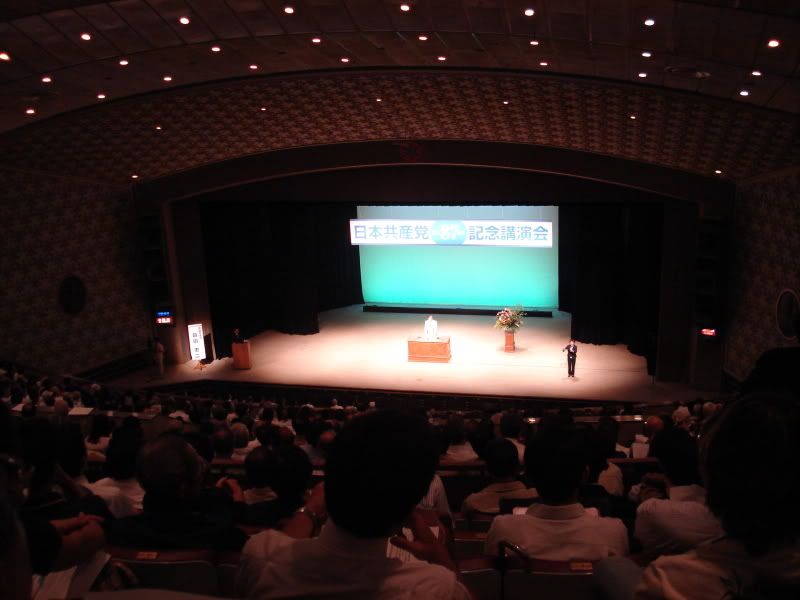
As for the anniversary meeting, it was pretty interesting. The first thing that struck me was what a huge building they were able to fill up.

The main speaker was Shii Kazuo, leader of the JCP.

I could understand about 25% maximum of his speach, though I caught that there was a lot about the other Japanese parties, a lot about the Japanese-American relationship and a fair amount comparing statistics about Japan with those from the rest of the world. I could also tell that, though not quite of Obama standards, he was an engaging and lively orator, something very rare in Japanese politics. He punned, and played on the JCP's outsider status (there was a big laugh when he told some joke about "being out of the loop") and he's respected by the rank and file. Perhaps by the time of the 88th I'll actually be able to understand what he's saying...
Other than that, me and the student volunteers talked about the state of the Left in Britain. I was asked whether most students had an interest in politics. I told them that the average student is indifferent, but a lot of students are pretty concerned about the environment, gay rights and racism. Do you think this is accurate?
I asked about getting involved in student politics at Doshisha and was told to be careful. Kyoto is Japan's most left leaning city ("But I thought Kyoto was very traditional?" "They're left wing because they want to protect those traditions") and Kyoto University in particular has a history of violent student activism. When one talks of Trotskites in Japan, it calls to mind this sort of thing and there are a few of those sorts lingering at Doshisha. If I open up to easily about my orientation, I might be recruited by some unsavory sorts in helmets. Fuckin' 'ell. Well, the JCP reject violence and for them political activism is about the democratic processes I described above. Basically I just need to pop down to my local friend Communist Branch Office and ask if there's a student group I can join, being sure not to forget to mention my volunteering in Tokyo. And one of my friends in Tokyo has promised me a shoukai, an introduction - something that oils the cogs of Japanese society and has a lot of etiquette surrounding it - to a JCP friend in Kyoto. Plus, it turns out that Tadatoshi Tasiro-san, the one I met down at the Main Office who helped me campaign in the first place is a bigshot within the party and could definitely help me get some connections. Result. I had a lot of fun with the Tokyo students, and I hope to meet them again, my experiences thus far with the JCP have been really special, and I'm looking forward to continuing with them this year.
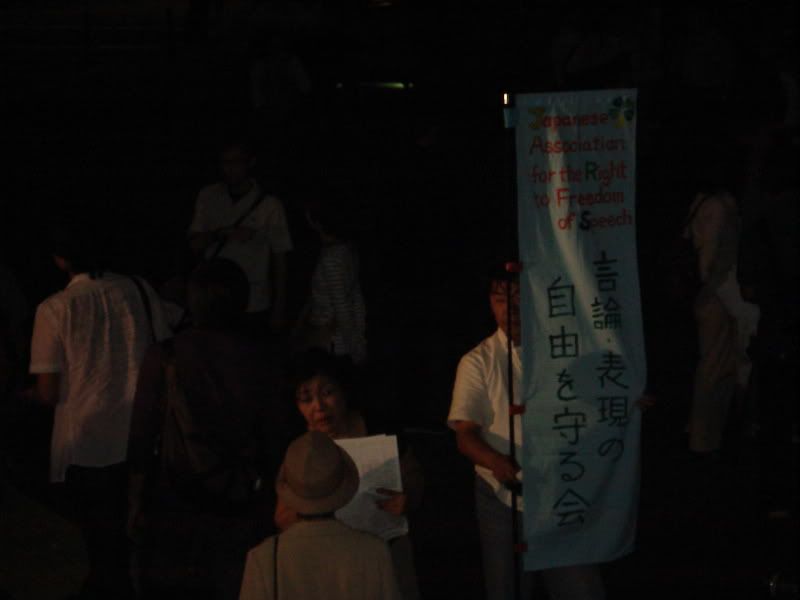
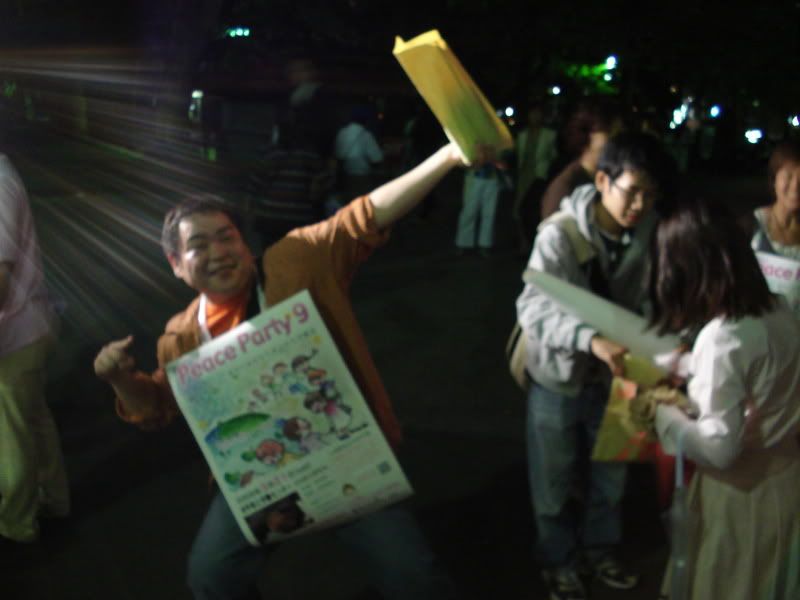
These are some people who were outside the anniversary meeting.


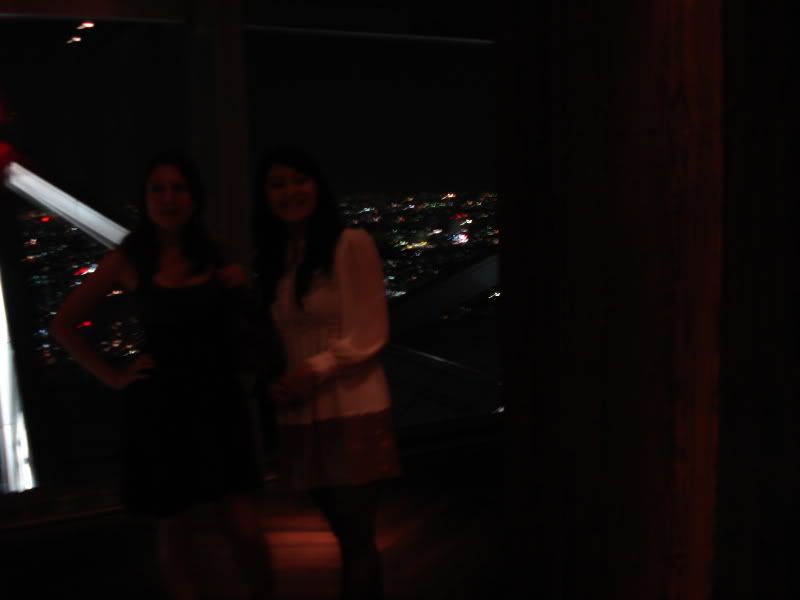
But to move from the workers to the bourgeous, on the 10th me and my friends from Cambridge had a few drinks at the New York Grill in the Tokyo Park Hyatt. (Being a champagne socialist is better than being a champagne Tory, and I prefer whisky anyway.) You have to dress to the nines to get in. That sentence is there purely because I love the phrase 'dressed to the nines'. It was very nice, but ULTRA expensive, and weirdly enough they were pretty stingy with the drink servings. But we all managed to milk 2 and a half hours out of a couple of drinks each.


BONUS PICTURE

Then moving from bling-swank to indie-chic, I left the Cambridge crew (sorry guys), and met up with my Tokyoite friends in Shimokita-zawa, the Brick Lane of Tokyo.
We had some drinks in a nice small bar.


When we were suitably inebriated around 2:30 we hit the kareoke box and covered everything from The Blue Hearts - Linda Linda, the only Japanese song I know the words for, to Britney Spears - Toxic, and all sorts of 80s hits/pop punk classics in between. At 5 we were kicked out, the girls having had a bit much to drink and stumbling home in a cab, me with 6 and a half hours to kill before my train to Kyoto and with no accommodation because I thought I might as well save the money and stay up. Obviously I find the nearest Manga-kissa, Internet Cafe and settle down there. Most manga-kissa are nice, large darkened rooms with secure cubicles and reclining seats. This was a smaller room, brightly lit with flimsy cubicles and curtains for privacy and office chairs. Following an hour messing around on the internet, it was in these conditions I managed to get 2ish hours of low quality sleep. God Bless Japan o/ But I woke up at 9 and caught my train, and now I'm in Kyoto.
I had a really good time in Tokyo. It's become my second city, there's nowhere in the world outside London I feel more comfortable in. Cambridge doesn't count, it's just London guys. Important environmental considerations, finance, friends and family notwithstanding, I could easily see myself dividing my life between the two great metropolises. But now I'm gone, and here starts a new chapter. I am now living in Kyoto.
<3<3<3
I will write about this in depth in a little bit, but first I just wanted to write up my last few days in Tokyo.
Just to remind myself - communsists, kareoke, lost in translation
Wow, it's been a while since I've blogged, I have to think back to the 9th to recap.
My comrades invited me to the Japanese Communist Party's magnanimous 87th anniversary meeting. They also asked if I wanted to take part in a "Lifestyle, labour discussion". I thought that was going to be some kind of protest/march/rally. It wasn't quite.
A lifestyle, labour discussion (生活労働相談, for the initiated) is when the JCP go to the streets and interview people about their life and work. They either get people to fill in forms or hold more in-depth discussions with a few They talk about the details of their welfare, give them information about union membership and social security. They have a form of petition when you add your sticker to a list of woes you'd like the government to sort out, and more generally the JCP gather real people's opinions about what political and economic changes they'd like to see. This information is then delivered to the social security offices and hopefully informs policy making. A lot of their efforts is spent talking to the homeless, a group that sadly is rapidly growing in Japan.
It is too easily for even the most concerned person to dehumanise the homeless. Though we might strive against these sorts of prejudices on a rational level, when we see a drunken homeless person, someone raving, or even just begging, I fear a part of all of us feels they might deserve to be where they are, might question what benefit they are to society. Now, this is of course wrong. And in Japan just how wrong this is is brought home by meeting some of the homeless. Japanese society (I suppose like all societies actually, though maybe in a more defined sense over here) often works by sorting people into us and them, self and other, "in group" and "out group". When you are in group you are looked after. Japanese businesses have traditionally rewarded their worker's loyalty with very generous health, security and pension schemes. However, once you are in the out-group, outside the mainstream of white collar salary man work or unionised blue-collar work, you are fucked. There is little in the way of a social safety net. Speak to a Japanese homeless person and you may well find that they are fluent in English, once worked in middle management for a multi-national corporation and used to have a very nice (if Japanese sized) house indeed. People who bemoan the British welfare system need only look across the Eurasian landmass to see people of very similar backgrounds to themselves sleeping on the street.
Ah, a good polemic. The real point is, the JCP are the only party in Japan who partake in this very special, very democratic consultation process with the people. It's this attitude that makes me respect them so much. Oh yeah, I did the flyering, and pointed people towards JCP members they could talk to.
As for the anniversary meeting, it was pretty interesting. The first thing that struck me was what a huge building they were able to fill up.
The main speaker was Shii Kazuo, leader of the JCP.
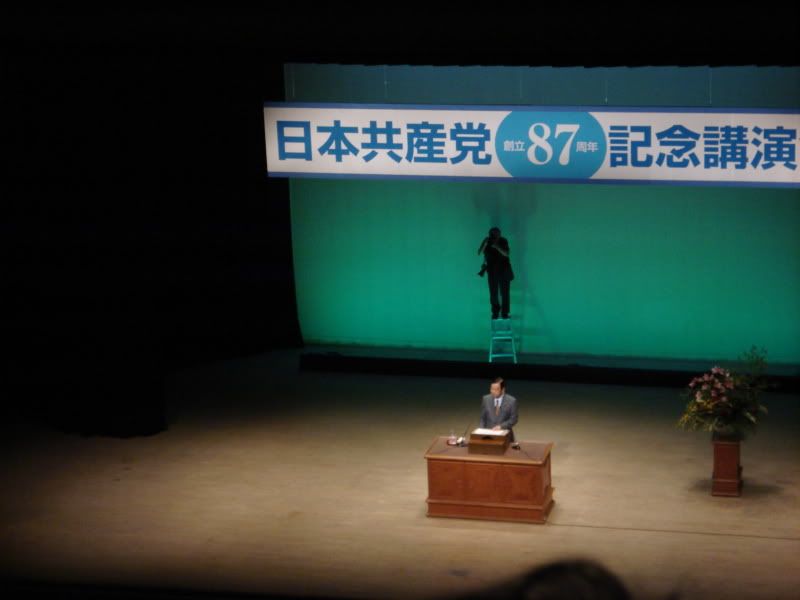
I could understand about 25% maximum of his speach, though I caught that there was a lot about the other Japanese parties, a lot about the Japanese-American relationship and a fair amount comparing statistics about Japan with those from the rest of the world. I could also tell that, though not quite of Obama standards, he was an engaging and lively orator, something very rare in Japanese politics. He punned, and played on the JCP's outsider status (there was a big laugh when he told some joke about "being out of the loop") and he's respected by the rank and file. Perhaps by the time of the 88th I'll actually be able to understand what he's saying...
Other than that, me and the student volunteers talked about the state of the Left in Britain. I was asked whether most students had an interest in politics. I told them that the average student is indifferent, but a lot of students are pretty concerned about the environment, gay rights and racism. Do you think this is accurate?
I asked about getting involved in student politics at Doshisha and was told to be careful. Kyoto is Japan's most left leaning city ("But I thought Kyoto was very traditional?" "They're left wing because they want to protect those traditions") and Kyoto University in particular has a history of violent student activism. When one talks of Trotskites in Japan, it calls to mind this sort of thing and there are a few of those sorts lingering at Doshisha. If I open up to easily about my orientation, I might be recruited by some unsavory sorts in helmets. Fuckin' 'ell. Well, the JCP reject violence and for them political activism is about the democratic processes I described above. Basically I just need to pop down to my local friend Communist Branch Office and ask if there's a student group I can join, being sure not to forget to mention my volunteering in Tokyo. And one of my friends in Tokyo has promised me a shoukai, an introduction - something that oils the cogs of Japanese society and has a lot of etiquette surrounding it - to a JCP friend in Kyoto. Plus, it turns out that Tadatoshi Tasiro-san, the one I met down at the Main Office who helped me campaign in the first place is a bigshot within the party and could definitely help me get some connections. Result. I had a lot of fun with the Tokyo students, and I hope to meet them again, my experiences thus far with the JCP have been really special, and I'm looking forward to continuing with them this year.
These are some people who were outside the anniversary meeting.
But to move from the workers to the bourgeous, on the 10th me and my friends from Cambridge had a few drinks at the New York Grill in the Tokyo Park Hyatt. (Being a champagne socialist is better than being a champagne Tory, and I prefer whisky anyway.) You have to dress to the nines to get in. That sentence is there purely because I love the phrase 'dressed to the nines'. It was very nice, but ULTRA expensive, and weirdly enough they were pretty stingy with the drink servings. But we all managed to milk 2 and a half hours out of a couple of drinks each.
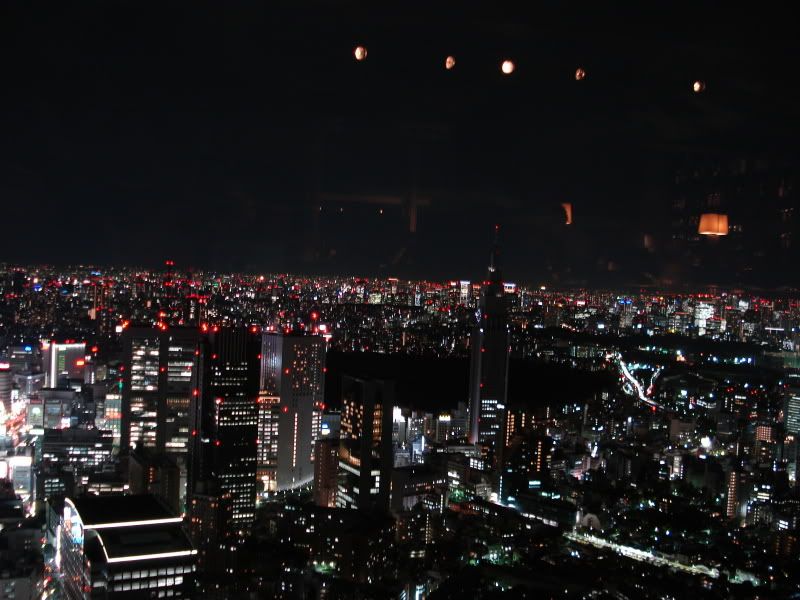
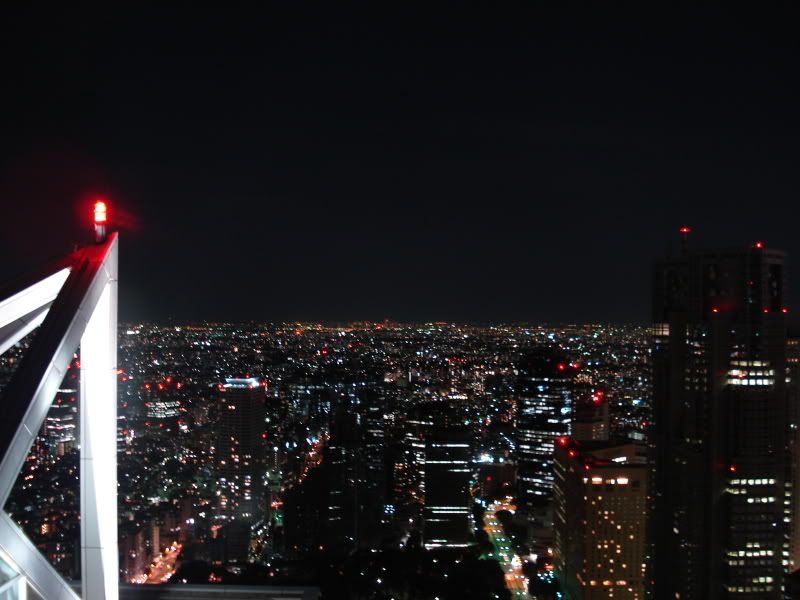


BONUS PICTURE
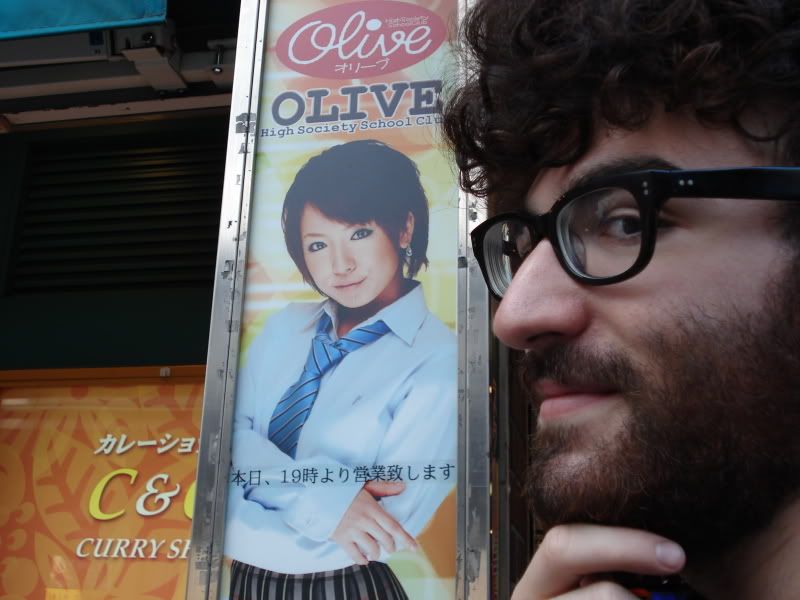
Then moving from bling-swank to indie-chic, I left the Cambridge crew (sorry guys), and met up with my Tokyoite friends in Shimokita-zawa, the Brick Lane of Tokyo.
We had some drinks in a nice small bar.

When we were suitably inebriated around 2:30 we hit the kareoke box and covered everything from The Blue Hearts - Linda Linda, the only Japanese song I know the words for, to Britney Spears - Toxic, and all sorts of 80s hits/pop punk classics in between. At 5 we were kicked out, the girls having had a bit much to drink and stumbling home in a cab, me with 6 and a half hours to kill before my train to Kyoto and with no accommodation because I thought I might as well save the money and stay up. Obviously I find the nearest Manga-kissa, Internet Cafe and settle down there. Most manga-kissa are nice, large darkened rooms with secure cubicles and reclining seats. This was a smaller room, brightly lit with flimsy cubicles and curtains for privacy and office chairs. Following an hour messing around on the internet, it was in these conditions I managed to get 2ish hours of low quality sleep. God Bless Japan o/ But I woke up at 9 and caught my train, and now I'm in Kyoto.
I had a really good time in Tokyo. It's become my second city, there's nowhere in the world outside London I feel more comfortable in. Cambridge doesn't count, it's just London guys. Important environmental considerations, finance, friends and family notwithstanding, I could easily see myself dividing my life between the two great metropolises. But now I'm gone, and here starts a new chapter. I am now living in Kyoto.
<3<3<3
Tuesday, 1 September 2009
Special Bonus Prize!
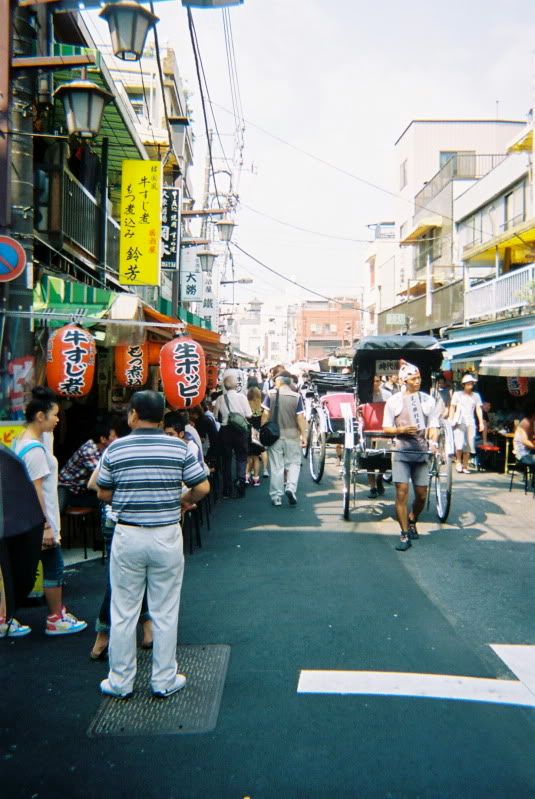
Pictures from my disposable camera:


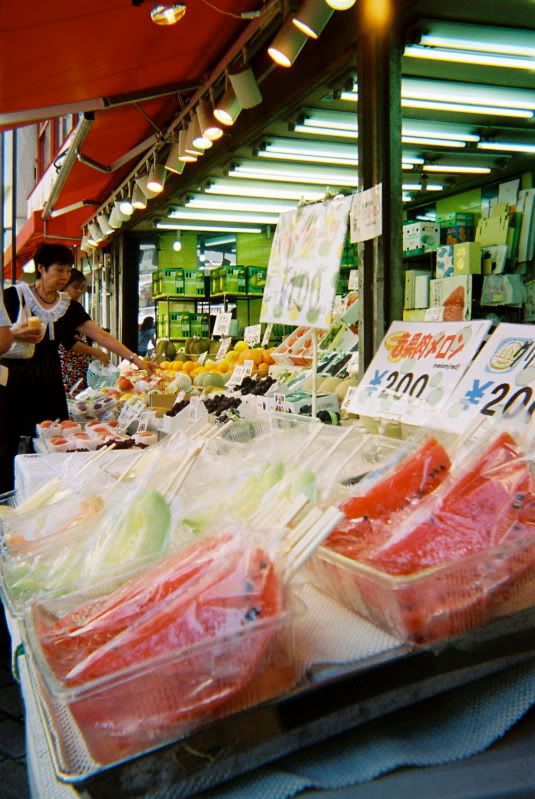
Fruit on sticks.

Dog.

City at night.


One solution: Revolution!

This is me with a Japanese Communist Party armband. I was allowed to keep it.


Student Volunteers.


Okay, I may support the JCP, but I have to give respect where respect is due to the best part in the world:


Big 3 litre plastic bottles of whisky

Me being anime:


I hope you enjoyed the deluge, good night.
<3

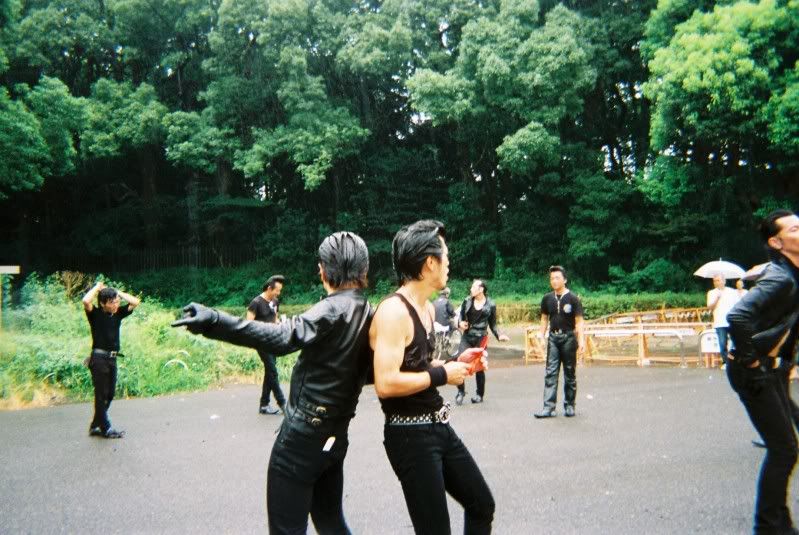
Fruit on sticks.
Dog.

City at night.
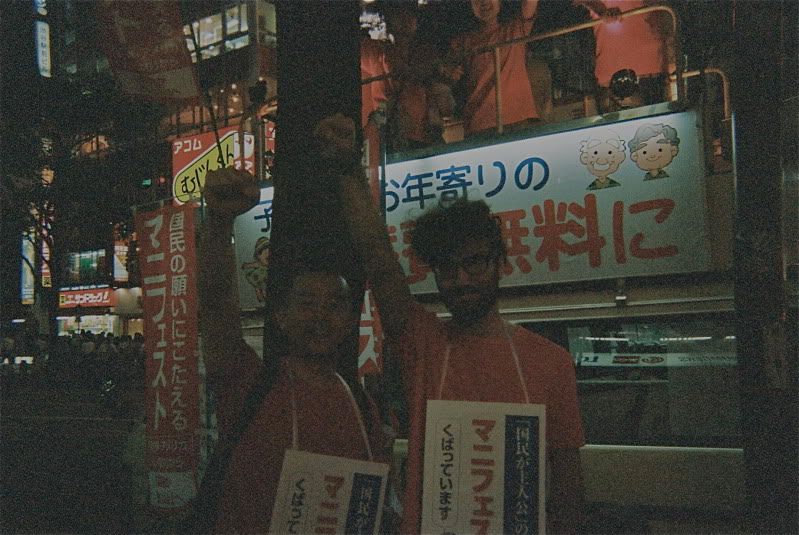
One solution: Revolution!
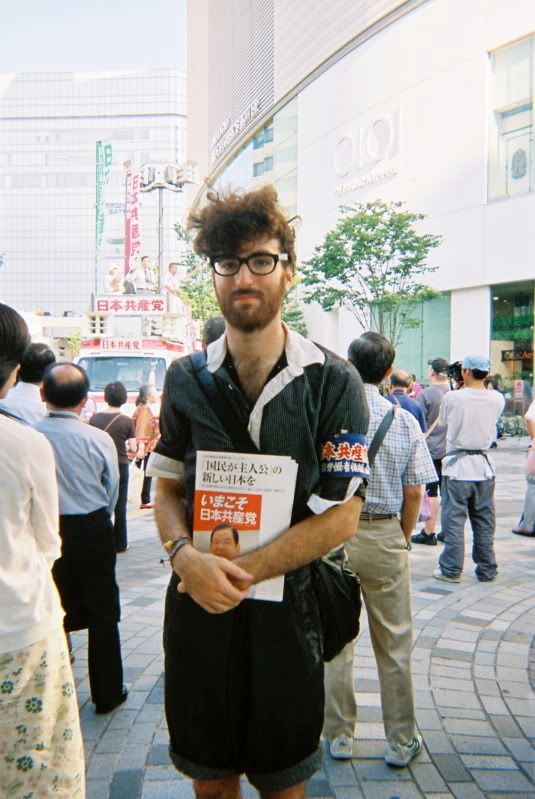
This is me with a Japanese Communist Party armband. I was allowed to keep it.
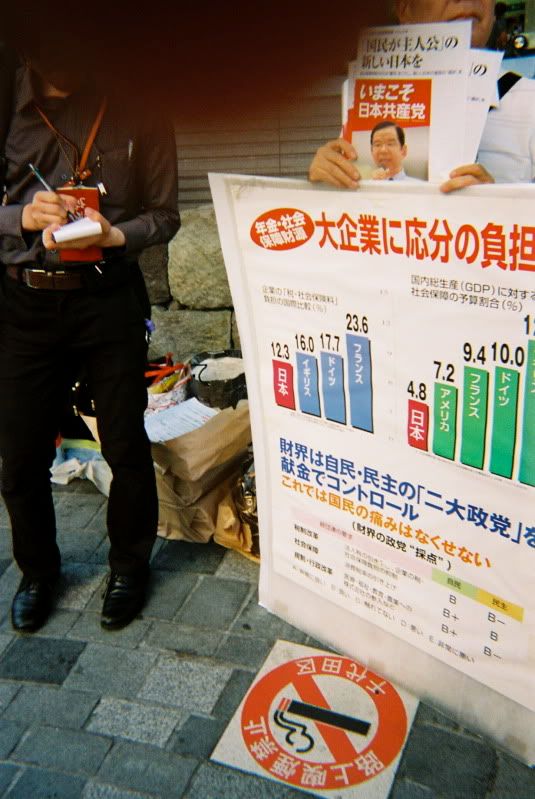
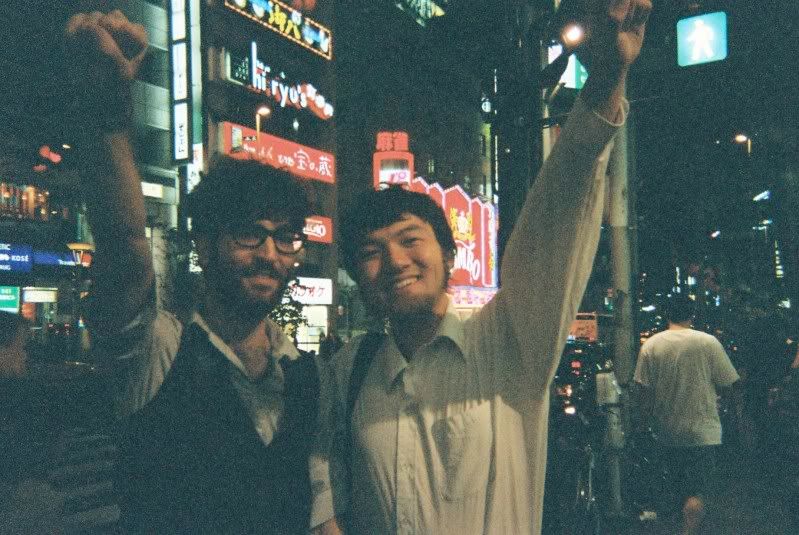
Student Volunteers.
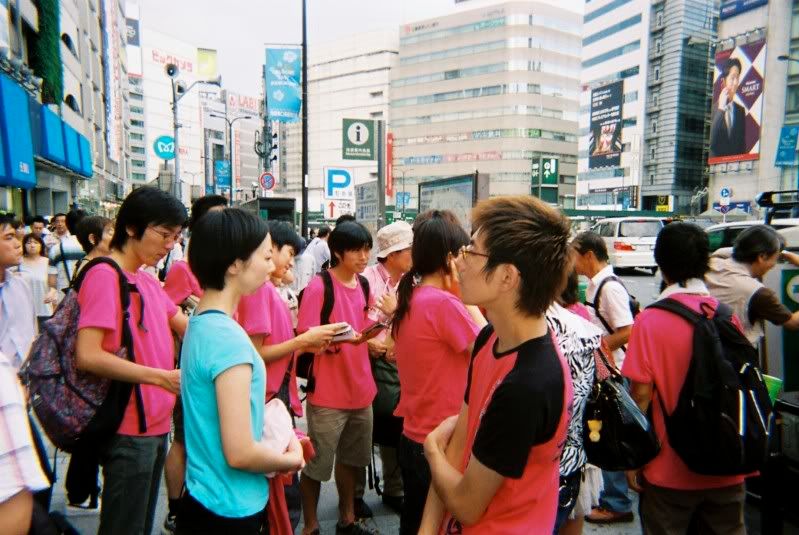
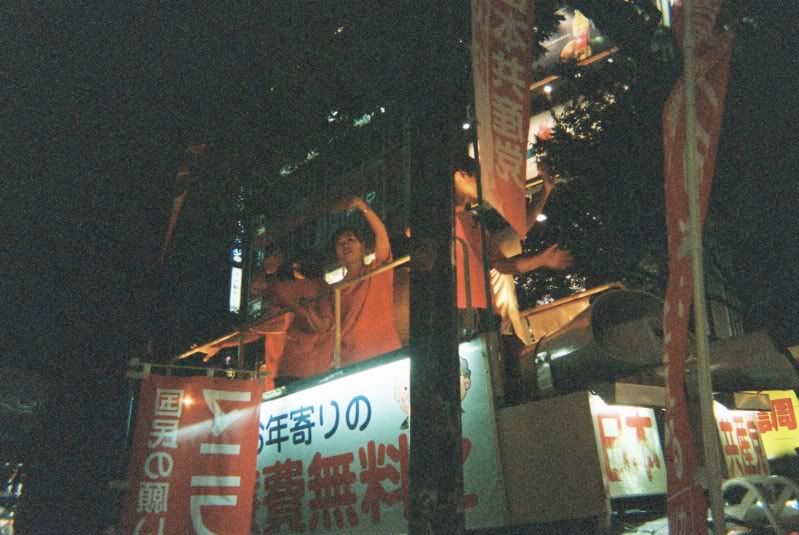
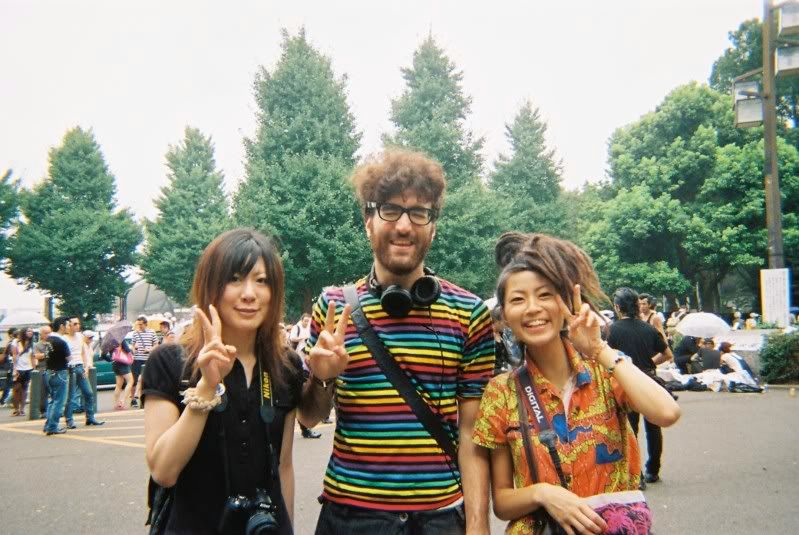
Okay, I may support the JCP, but I have to give respect where respect is due to the best part in the world:
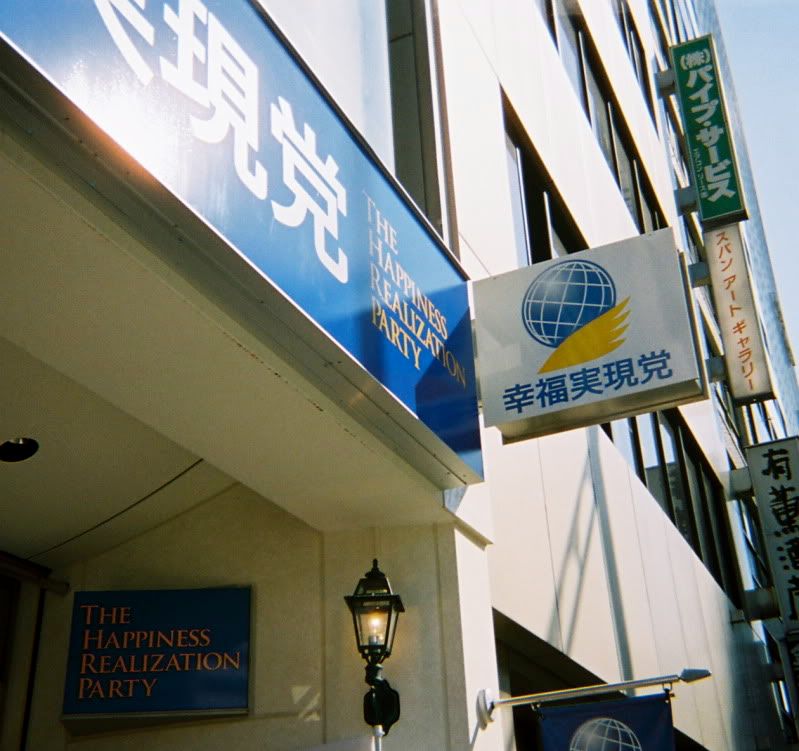
Big 3 litre plastic bottles of whisky

Me being anime:
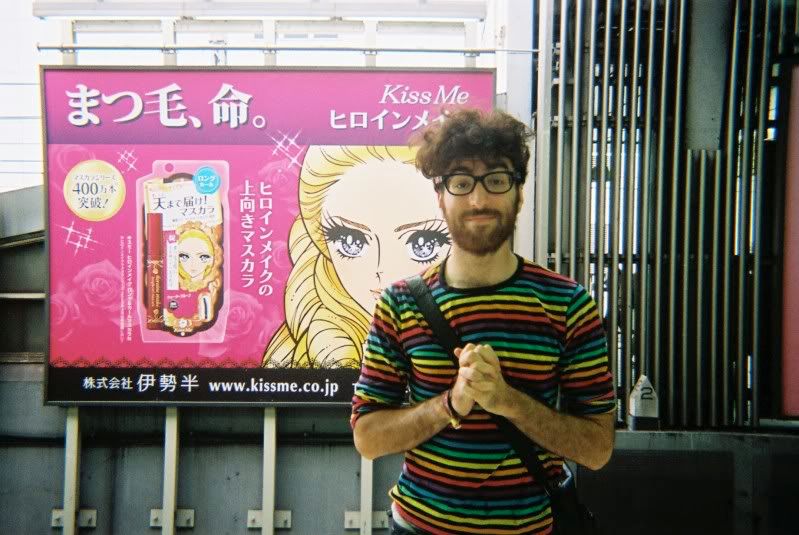
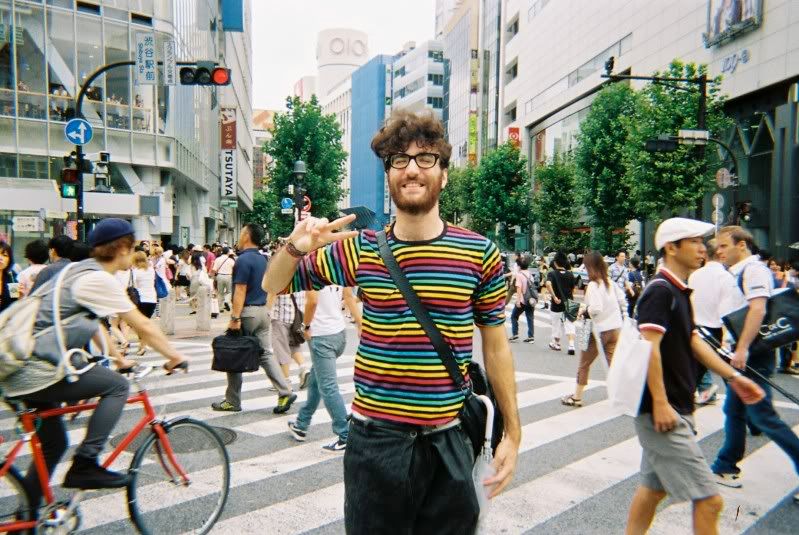
I hope you enjoyed the deluge, good night.
<3
Monday, 31 August 2009
For relaxing times...
Noodles which used to cost £3 now cost £5. Train tickets that used to cost 80p now cost £1.20 Hostel rooms that used to cost £15 a night now cost £25. But you know, I can't complain:

That's me and a bottle of Suntory Whisky. It cost 494円, £3.50.
Today is wet and cold.

Which makes a change from the last few days which have been damp and hot. But yes, I had a cold, wet, lazy day, where I wandered around Ueon and Akihabara WHERE I FOUND SOME REAL NICE MOCHI:


Then I bought some whisky and came back to the hostel.
In a fairly exciting development, I've been invited to the JCP's 87th "Anniversary Lecture Meeting" on the 9th of September. Shut up, it will be more interesting than the name suggests~ Before that starts there will be an "Street Life Labour Discussion". Which seems to be one of these. It's nice to feel that my connection with the JCP won't end just because the election's over. I'll definitely get involved at Doshisha. Interestingly enough, according to one of my friends in the JCP, Kyoto, which is known for being all traditional and shit, is the most left leaning area of Japan. To have a go at amateur political sociology, it reminds me a bit of the of the American political situation versus the European one. In a young country like America, people cling to politics and culture that feels traditional, conservative, while in Europe where there is no question of historical infancy, progressive politics are not a threat to the national self-image. Or maybe it's just because Kyoto's a university town. Anyway, with another election coming up in July 2010, I'm going to paint the town Red. LOL.
Sorry for the slightly bitty blog. I'm going to drink whisky and read. Night!
xxx

That's me and a bottle of Suntory Whisky. It cost 494円, £3.50.
Today is wet and cold.
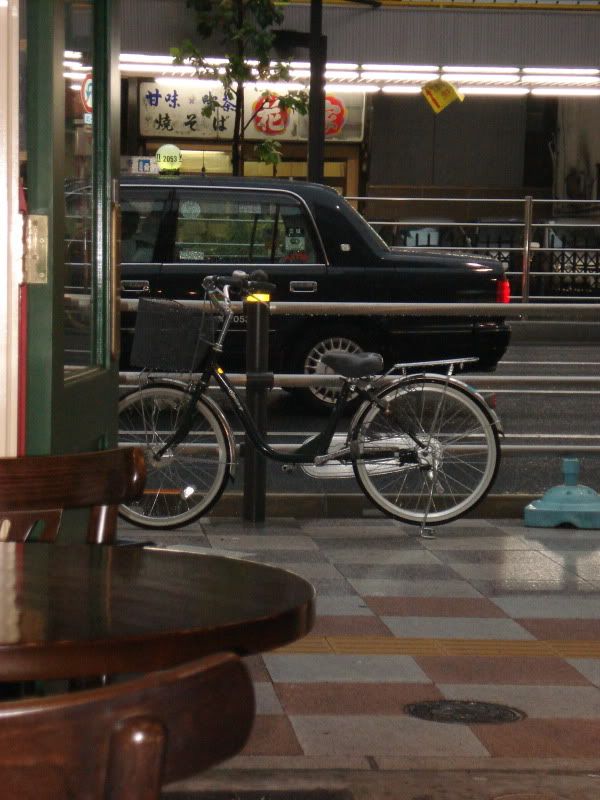
Which makes a change from the last few days which have been damp and hot. But yes, I had a cold, wet, lazy day, where I wandered around Ueon and Akihabara WHERE I FOUND SOME REAL NICE MOCHI:
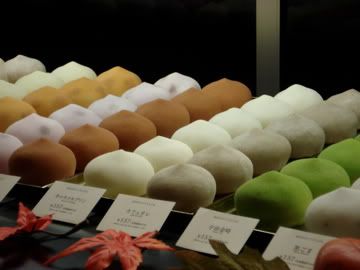
Then I bought some whisky and came back to the hostel.
In a fairly exciting development, I've been invited to the JCP's 87th "Anniversary Lecture Meeting" on the 9th of September. Shut up, it will be more interesting than the name suggests~ Before that starts there will be an "Street Life Labour Discussion". Which seems to be one of these. It's nice to feel that my connection with the JCP won't end just because the election's over. I'll definitely get involved at Doshisha. Interestingly enough, according to one of my friends in the JCP, Kyoto, which is known for being all traditional and shit, is the most left leaning area of Japan. To have a go at amateur political sociology, it reminds me a bit of the of the American political situation versus the European one. In a young country like America, people cling to politics and culture that feels traditional, conservative, while in Europe where there is no question of historical infancy, progressive politics are not a threat to the national self-image. Or maybe it's just because Kyoto's a university town. Anyway, with another election coming up in July 2010, I'm going to paint the town Red. LOL.
Sorry for the slightly bitty blog. I'm going to drink whisky and read. Night!
xxx
Sunday, 30 August 2009
Reflections
The exit polls were a fair bit off and my initial enthusiasm wasn't warranted.
The DPJ won 308 seats to the LDP's 119.
The Communists and the Social Democrats trod water at 9 and 7 seats respectively, the same as the last election.
In the absence of gains by these parties, it is difficult to read this election and a step towards the Left. More than the DPJ winning, the LDP lost. Policy was largely irrelevent in the face of a generic desire for 'change'.
What this election means practically is yet to be seen. Japanese politics has always been very factional, with competitions between factions within a party often being more influential than competition between parties. The DPJ has many diverse factions, ranging from those advocating social democray on the left, to those led by dissatisfied ex-menbers of the LDP on the right.
Any question of "where now for Japanese politics?" can only be answered by looking at the factional balance within the DPJ.
Of their known policies, their most significant positive ones include making public high school free for all students (Japan is currently the only developed nation where state high schools have tuition fees) and their offer of child-raising benefits could be the first step towards a system that encourages child-birth (and hopefuly not to the exclusion of womens' career development) and set about undoing Japan's aging society.
Their most worrying policy is to reduce government spending by cutting down the number of seats in parliament. The seats to go would almost certainly be those awarded by PR and this would do real and lasting harm to the health and diversity of Japan's democracy.
I feel sorry for the girls and guys at the JCP, they are a dedicated and pasionate lot who put time and energy into the cause of social good. Their story will not be told by the mainstream media, but it is an example others could learn from.
It dawns on me that the only election I've ever actively followed and taken an interest in that has gone as I hoped, was the American Presidential Election. The first election I voted in was the London Mayoral. We know how that turned out. Then there was the European Parliament. Which kind of made me loose hope for humanity. While this is nowhere near as bad as those two (and no, I'm not comparing Borris Johnson to the British National Party. He's a harmless toffish annoyance. Like an angry hampster in a top hat.) It's a bit of a disapointment that "my team" didn't do better. C'est la vie~
The DPJ won 308 seats to the LDP's 119.
The Communists and the Social Democrats trod water at 9 and 7 seats respectively, the same as the last election.
In the absence of gains by these parties, it is difficult to read this election and a step towards the Left. More than the DPJ winning, the LDP lost. Policy was largely irrelevent in the face of a generic desire for 'change'.
What this election means practically is yet to be seen. Japanese politics has always been very factional, with competitions between factions within a party often being more influential than competition between parties. The DPJ has many diverse factions, ranging from those advocating social democray on the left, to those led by dissatisfied ex-menbers of the LDP on the right.
Any question of "where now for Japanese politics?" can only be answered by looking at the factional balance within the DPJ.
Of their known policies, their most significant positive ones include making public high school free for all students (Japan is currently the only developed nation where state high schools have tuition fees) and their offer of child-raising benefits could be the first step towards a system that encourages child-birth (and hopefuly not to the exclusion of womens' career development) and set about undoing Japan's aging society.
Their most worrying policy is to reduce government spending by cutting down the number of seats in parliament. The seats to go would almost certainly be those awarded by PR and this would do real and lasting harm to the health and diversity of Japan's democracy.
I feel sorry for the girls and guys at the JCP, they are a dedicated and pasionate lot who put time and energy into the cause of social good. Their story will not be told by the mainstream media, but it is an example others could learn from.
It dawns on me that the only election I've ever actively followed and taken an interest in that has gone as I hoped, was the American Presidential Election. The first election I voted in was the London Mayoral. We know how that turned out. Then there was the European Parliament. Which kind of made me loose hope for humanity. While this is nowhere near as bad as those two (and no, I'm not comparing Borris Johnson to the British National Party. He's a harmless toffish annoyance. Like an angry hampster in a top hat.) It's a bit of a disapointment that "my team" didn't do better. C'est la vie~
LITERALLY BREAKING NEWS
The Democratic Party of Japan have won at least 321 seats in the Diet, according to exit polls. Over 220 more than in the last election.
The Communist Party have won at least 13, but perhaps 14 seats, an improvement of either 4 of 5 from the 2005 election
The Social Democrats have won at least 2 more seats that last time.
I'm watching on the news as we speak.
It looks to be a good night for the Left, and for Japanese democracy in general.
Brilliant stuff!
I'll update this a bit later.
----
There are still 178 seats yet to be announced, I imagine these are the seats accorded to Proportional Representation, as in the Japanese electoral system 180 seats are voted by PR, while 300 are first past the post. I'm not sure when these will come through.
-----
Also: Takeshi Kitano of Takeshi's Castle fame, is helping present the election. Which is pretty nice.
The Communist Party have won at least 13, but perhaps 14 seats, an improvement of either 4 of 5 from the 2005 election
The Social Democrats have won at least 2 more seats that last time.
I'm watching on the news as we speak.
It looks to be a good night for the Left, and for Japanese democracy in general.
Brilliant stuff!
I'll update this a bit later.
----
There are still 178 seats yet to be announced, I imagine these are the seats accorded to Proportional Representation, as in the Japanese electoral system 180 seats are voted by PR, while 300 are first past the post. I'm not sure when these will come through.
-----
Also: Takeshi Kitano of Takeshi's Castle fame, is helping present the election. Which is pretty nice.
Saturday, 29 August 2009
Superimposition
Another day campaigning, 4PM to 8PM. It's actually quite nice just having a schedule! I think I was interviewed by a Taiwanese public television channel? I said some fairly inane stuff about being a member of the SWP (that lie again!), it being good that Japan could get a two party system, like Britain and America, but it probably being a case of the two parties having few substantial differences, like Britain and America. I mostly like the idea that there is now a televised recording of me in connection with a far-left party. I hope I get banned from America or something.
Otherwise it was quite interesting leafleting (I say this because "manifestoing" sounds wack) in the areas I did. It made me realise both how well I know the city and how many memories I have attached to it. We leafleted in Shibuya, on and around the street where I spend my last depressed night in Japan, lamenting that I had to come home. We leafleted in Shinjuku, and when were were done, I was walked to my subway line past the corner at which I said my goodbye to my friend and got the train to the airport. It was nice being able to build new memories on top of these.
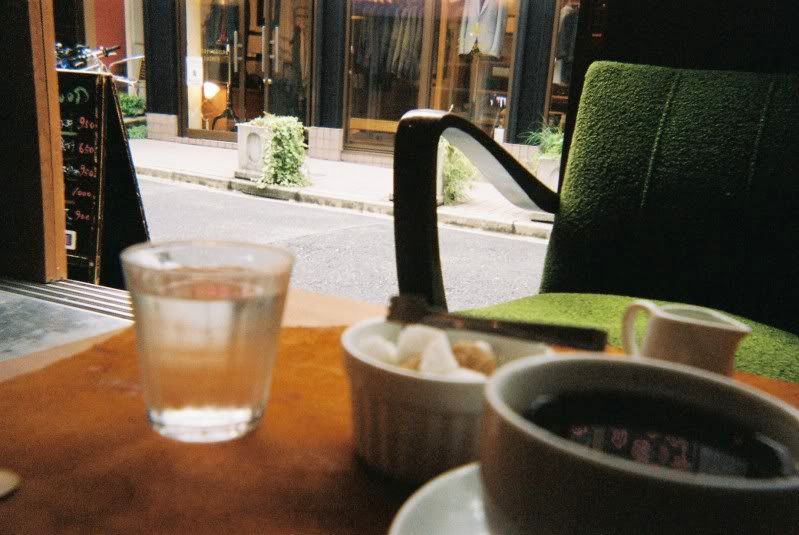
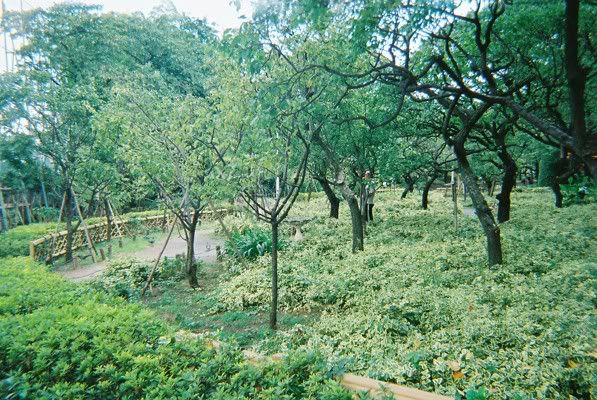
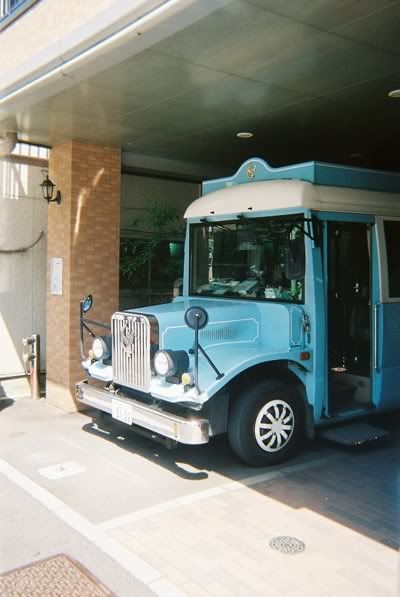
And I got my pictures developed. BUT YOU'RE NOT ALLOWED TO SKIP THE TEXT AND ONLY LOOK AT THE PICTURES. Here's some nice mild stuff to ease you in to the revolutionary shit to follow:


This one doesn't do justice to JUST HOW BIG THE OFFICE IS.


That's all for today, but I'll be joining you tomorrow evening with a LIVE ELECTION NIGHT TWITTER-FEST. Ahahaha, that's a lie I hate twitter so much.
xxxxxxxx
Otherwise it was quite interesting leafleting (I say this because "manifestoing" sounds wack) in the areas I did. It made me realise both how well I know the city and how many memories I have attached to it. We leafleted in Shibuya, on and around the street where I spend my last depressed night in Japan, lamenting that I had to come home. We leafleted in Shinjuku, and when were were done, I was walked to my subway line past the corner at which I said my goodbye to my friend and got the train to the airport. It was nice being able to build new memories on top of these.
And I got my pictures developed. BUT YOU'RE NOT ALLOWED TO SKIP THE TEXT AND ONLY LOOK AT THE PICTURES. Here's some nice mild stuff to ease you in to the revolutionary shit to follow:
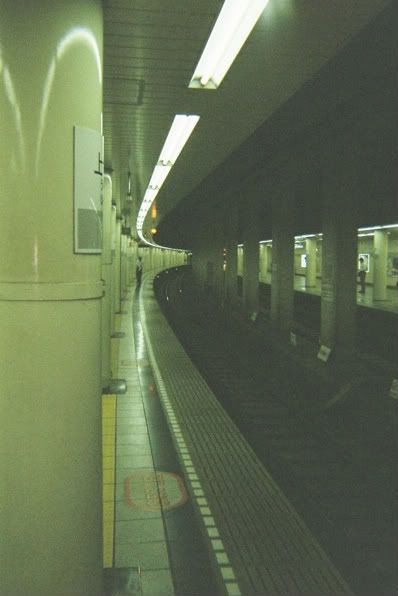
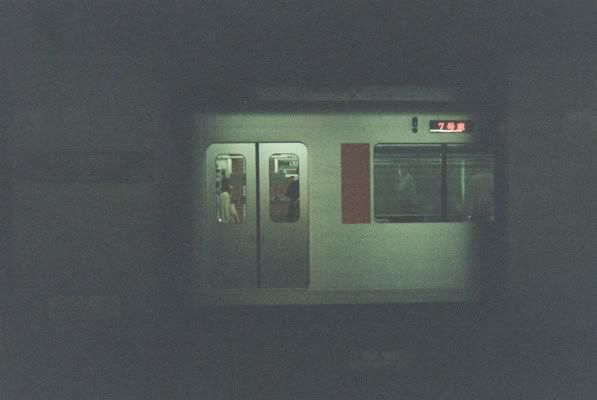
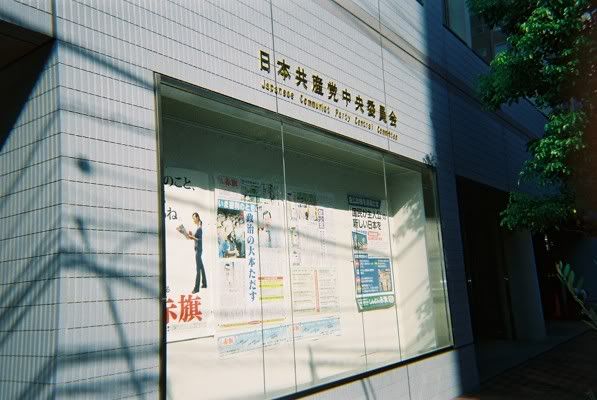
This one doesn't do justice to JUST HOW BIG THE OFFICE IS.
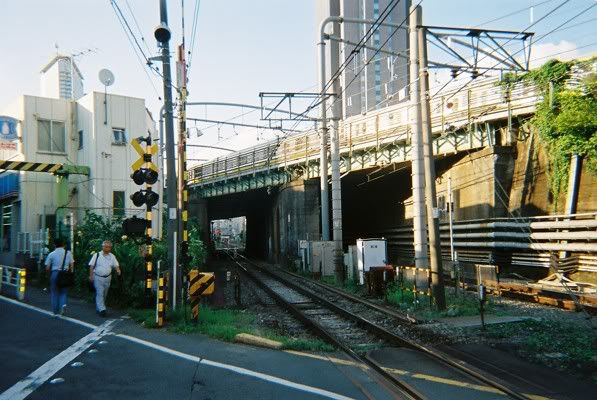
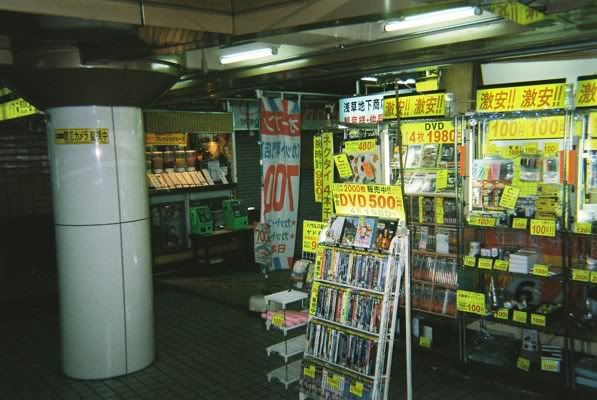
That's all for today, but I'll be joining you tomorrow evening with a LIVE ELECTION NIGHT TWITTER-FEST. Ahahaha, that's a lie I hate twitter so much.
xxxxxxxx
Subscribe to:
Posts (Atom)


